Eating and drinking within 500 meters
August 2026 · 2 min read
Start with the rule of lunch
The Dominican Republic runs on la bandera — "the flag" — rice, stewed beans, meat, and salad, served at lunch and priced for working people. The comedores of the Colonial Zone each make their own version, and the right way to choose one is the local way: pick the busiest room. Lunch is the meal locals eat out, which makes it both the cheapest and the most honest food of the day.
The daily essentials
- Coffee — Dominican coffee is serious, dark and sweet by default. Ask for it *sin azúcar* only if you mean it.
- Fruit and juice stands — chinola (passion fruit), lechosa (papaya), and zapote go into fresh juices everywhere. Learn the names; order by pointing works too.
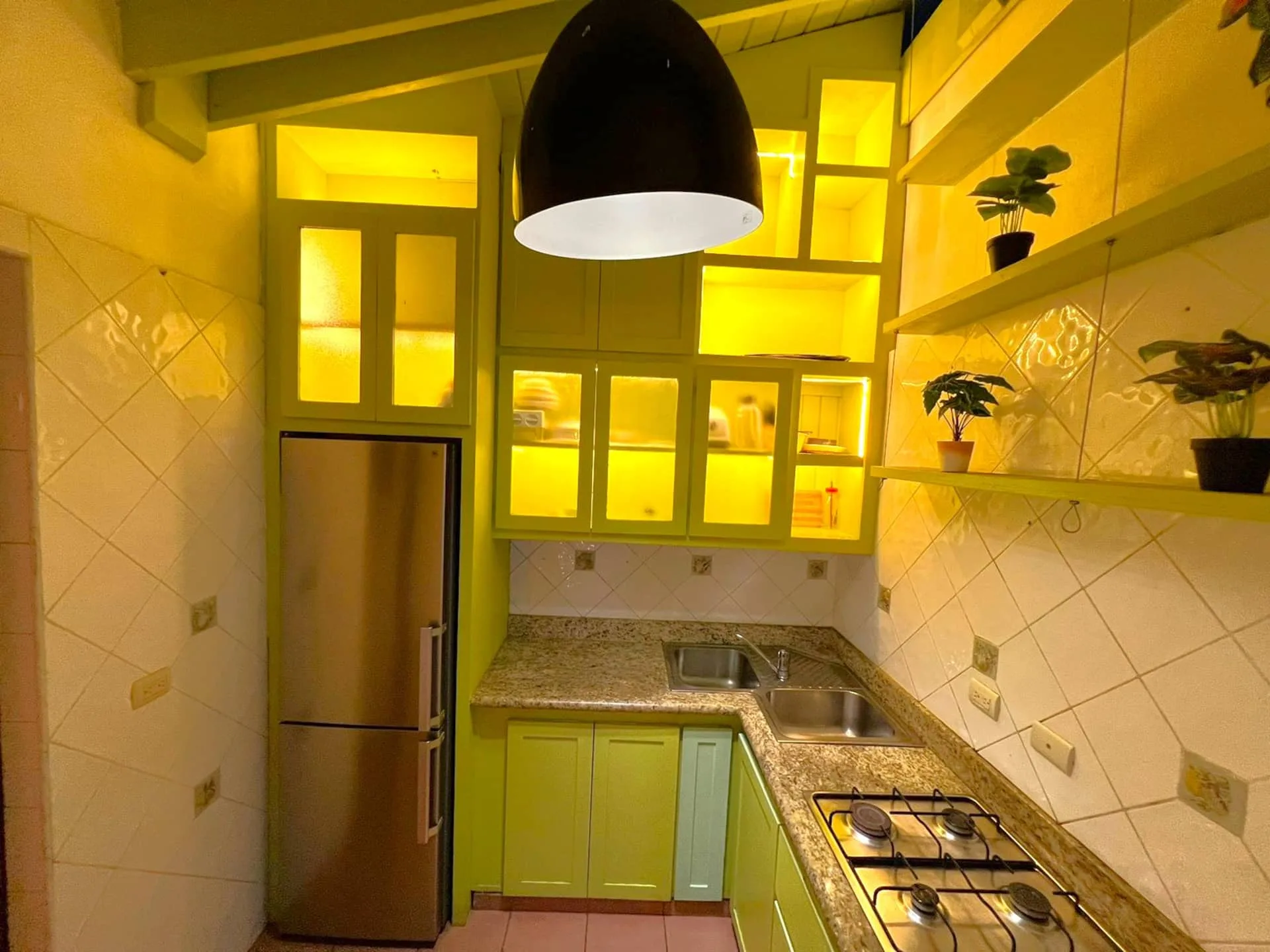
- The market two streets over — the house has a full kitchen for a reason. Buy mangoes, avocados the size of your hand, and fish from the morning catch, and cook one dinner on the terrace. It will compete with any restaurant on this page.
Evenings around the plazas
At night the district's center of gravity moves to the plazas. The restaurants around Plaza de España set their tables facing the lit façade of the Alcázar — the setting does half the work, so choose by menu, not by hustle. Deeper into the grid, courtyard restaurants inside colonial houses serve Dominican classics — mofongo, fresh fish, slow-braised goat — under open sky.
What the neighborhood does best
Skip anything advertising itself in four languages with photographs of the food. Follow instead: the line of office workers at 12:30, the smell of charcoal after dark, the bar where the bartender is also the owner. Within 500 meters of the front door you can eat differently every day of a two-week stay and never repeat a table — the 60-restaurant claim on the listing is, if anything, an undercount.