Isla Saona: The Day Trip, Done Right
August 2026 · 22 min read
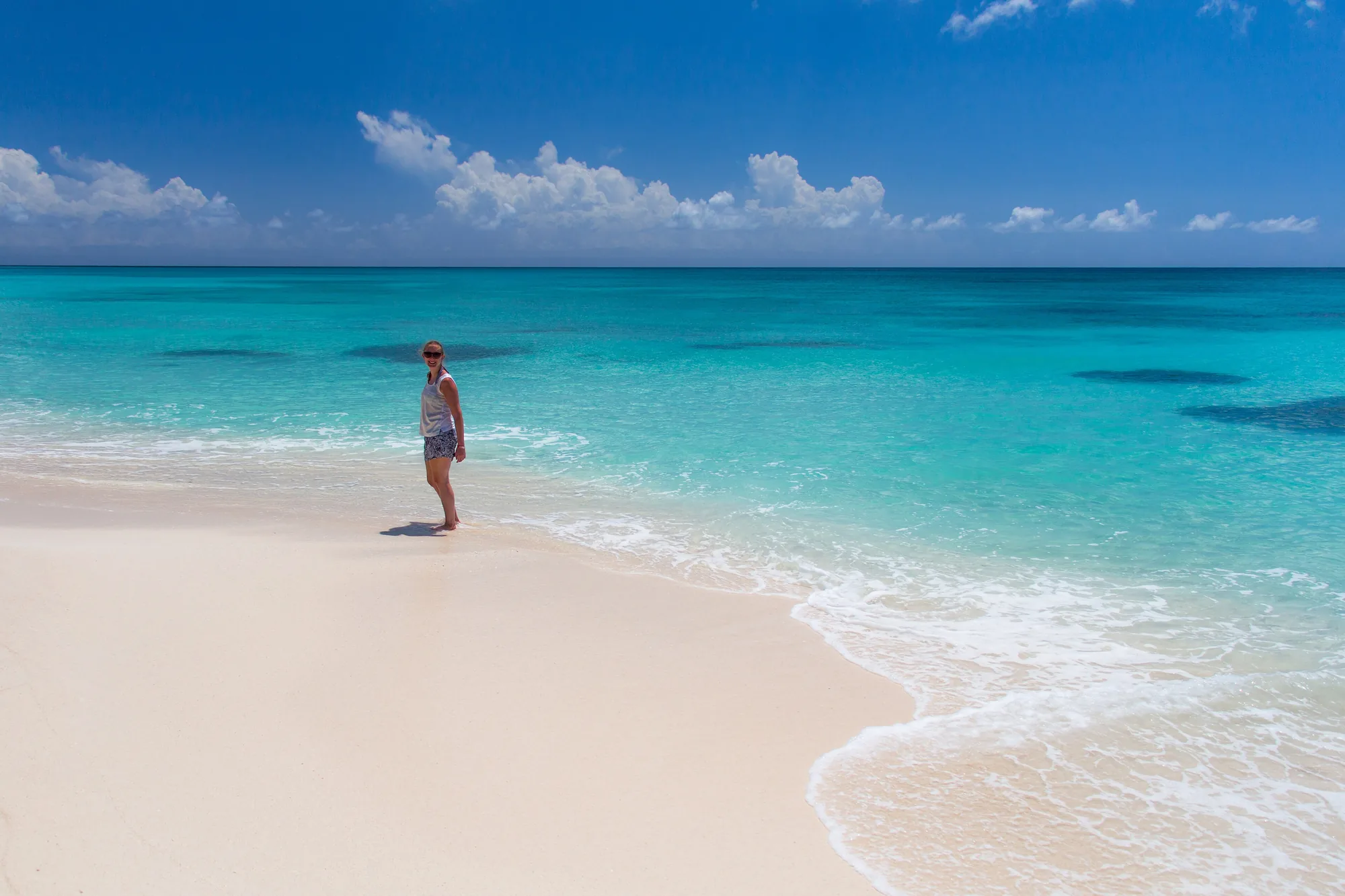
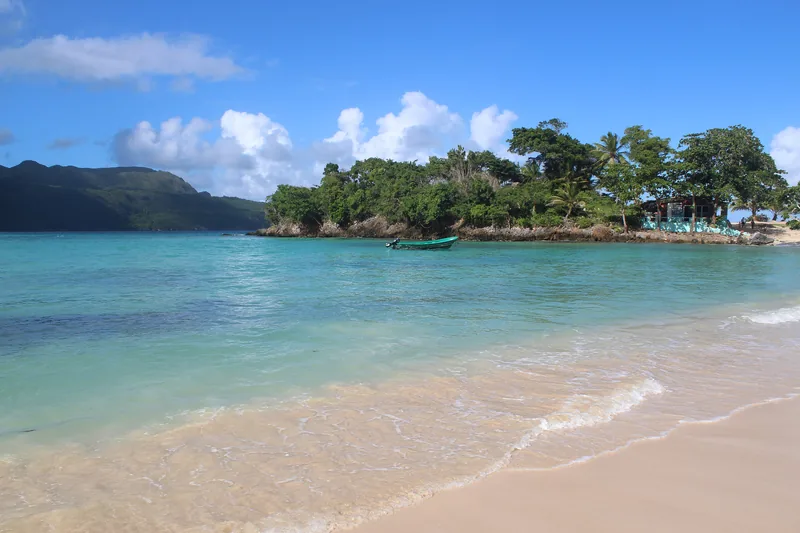
Isla Saona is the postcard the Dominican Republic sells hardest: a low green island ringed by pale sand, coconut palms leaning over turquoise shallows, and a sandbar out in the open sea where you stand waist-deep and pass a starfish from hand to hand. It is genuinely lovely. It is also one of the most packaged, most oversold excursions in the country, and the difference between a good Saona day and a forgettable one comes down to a few choices you make before you ever touch the water.
You do not need a rental car for this. You do not need to be staying in Punta Cana. And you very much do not need the biggest catamaran with the loudest speakers. From a base in Santo Domingo's Zona Colonial, Isla Saona is a long but entirely doable day: roughly two hours east to the old fishing town of Bayahibe, then out by boat into a protected national park. This guide walks through how the trip actually runs, what to skip, why the small operators win, and how to keep your expectations aimed at the right things so the day lands the way it should.
One bias to declare up front. I write for a place to stay in the colonial heart of the capital, and I think the smartest way to see an island like this is from a real city rather than a resort compound an hour up the coast. More on that at the end. First, what Saona actually is.
What Isla Saona actually is
Saona sits off the southeastern tip of the Dominican Republic, separated from the mainland by a shallow channel called the Canal de Catuano. It is not a private resort island and it is not a manufactured attraction. The whole island, along with a big stretch of the surrounding sea and the mainland coast, is protected inside Cotubanamá National Park, which older maps and older guides still call Parque Nacional del Este. That protected status is the single most important fact about the place, and most day-trippers never register it.
What it means in practice: there are no high-rise hotels on Saona, no marina, no built-up strip. There is a small local village, Mano Juan, a scatter of pastel fishermen's houses along the sand where a few hundred people actually live. There are mangroves, a couple of caves with pre-Columbian rock art on the mainland side of the park, sea-turtle nesting beaches, and long runs of empty coastline that the tour boats never touch because they all pile onto the same two or three stretches. The island is bigger and wilder than the version you get sold, which is a beach, a buffet, and a boat home.
Knowing you are inside a national park also reframes the day. You are a visitor in a protected reserve, not a customer at an aquatic theme park, even though a lot of the operators work hard to make it feel like the latter. The starfish you will meet at the sandbar are protected animals. The reef you snorkel over is alive and slow to recover. Hold those two facts and you will already be doing the trip better than most of the boat.
Where it is, and why that matters for you
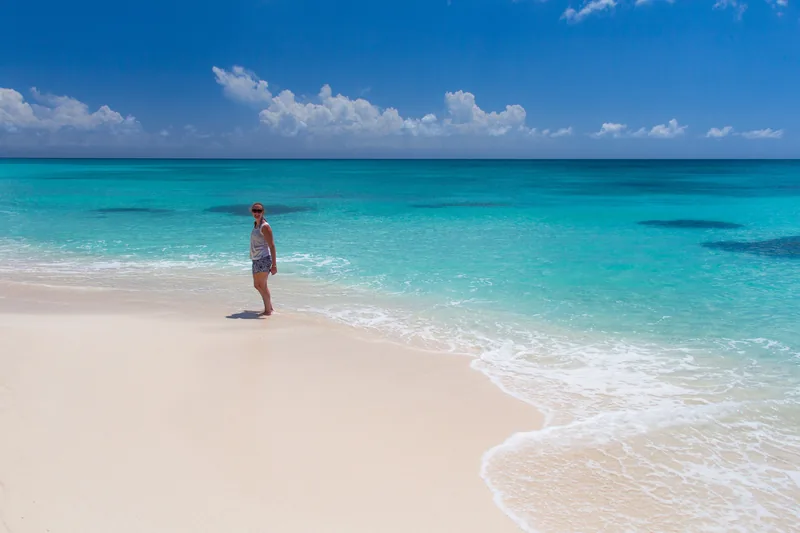
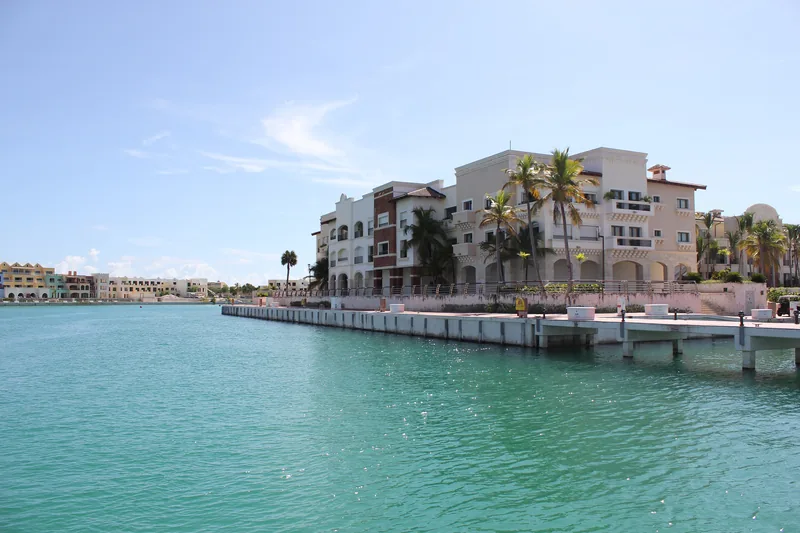
The launch point for almost every Saona trip is Bayahibe, a former fishing village turned excursion hub on the southeast coast, about two hours east of Santo Domingo by road. That drive time is the number that decides your whole day. From Punta Cana or Bávaro, Bayahibe is closer, around 40 to 60 minutes, which is why the mega-operators are built around resort pickups over there. From the capital you are looking at a longer haul each way, which is real, but it is a good road most of the way and it buys you something the resort crowd does not have: a base in an actual city, and the freedom to make Saona one good day among many rather than the only interesting thing within reach.
There is a second, quieter launch option at La Romana and the Casa de Campo marina, used by some of the more upmarket boats, but Bayahibe is the classic starting line and the one this guide assumes.
The classic day trip, start to finish
Nearly every Saona excursion follows the same template, and it helps to know the rhythm before you commit, because the template is why some people come back thrilled and some come back saying it was a booze cruise with a beach attached. Both are the same trip. The difference is the boat and the mindset.
Here is how a standard day tends to run:
- Early pickup. From Santo Domingo, a coach or minibus collects you somewhere between roughly 7 and 8 in the morning. It is early because the road is long and the boats want you on the water before the afternoon wind and afternoon crowds build.
- The drive east. Two hours or so to Bayahibe, usually with a stop. Some tours pad this with a "cultural" halt at a souvenir shop selling rum, cigars, and coffee, which is a commission stop dressed up as an experience. Polite skepticism is your friend here.
- The boat out. At Bayahibe you board either a catamaran or a speedboat, sometimes both across the day. The most common format sends you out on a fast speedboat and brings you back on a slower catamaran, or the reverse. The speedboat leg often includes a snorkeling stop over a shallow reef.
- The natural pool. The boat pulls up at the offshore sandbar, the famous piscina natural, where you get out into waist-deep water in the middle of the sea. This is the money shot of the whole excursion. More on it below, including the honest version.
- The island and lunch. You land on Saona itself, usually on the busy western beaches near Playa El Gato or Bahía Príncipe's stretch, for a few hours of beach time and a buffet lunch laid on under the palms. Expect grilled chicken or fish, rice, salad, fresh fruit, and an open bar heavy on rum and cola.
- The catamaran home. The return leg is the party leg. The catamaran cranks merengue and bachata, the rum keeps flowing, and an animator gets people dancing on deck. If that sounds like your idea of a good time, it delivers. If it sounds like your idea of a hostage situation, this is exactly the part to plan around.
- The long drive back. Reverse the morning. You are typically back in the capital by early evening, tired, salted, and either delighted or wondering what happened.
That is the machine. It is efficient and it moves a lot of people through a fragile place every single day, which is both why it is affordable and why it can feel industrial. Your job is to ride the good parts of the machine and dodge the rest.
Catamaran or speedboat?
Short version: the speedboat is transport, the catamaran is the party. The speedboat gets you out fast, bounces a bit in chop, and usually does the snorkel stop. The catamaran is slower, steadier, shaded, and doubles as a floating dance floor on the way home. Most standard tours give you one of each, which is the right mix. If you are offered a choice and you are prone to seasickness, the catamaran's slower, flatter ride is easier on the stomach than a speedboat slamming across a swell. If you hate loud music with a passion, ask specifically which leg is the party leg and whether a quieter boat exists, because on some smaller operators it genuinely does.
The natural pool: what it really is
The piscina natural is the image that sells Saona, so it deserves an honest description rather than a brochure one. It is a shallow offshore sandbar, a raised bank of pale sand sitting a short distance from the island in otherwise deeper water. The boat anchors and you step down into water that is somewhere between knee and chest deep, warm, clear, and startlingly bright because of the white sand underfoot. In the middle of the open sea, standing on the bottom, is a genuinely strange and lovely thing, and on a calm morning with good light it is exactly as pretty as the photos.
The other draw is the starfish. Big, cushiony red-brown sea stars live on the sandbar, and the classic Saona photo is somebody holding one up out of the water. This is the part where I have to be a bit of a scold, because it matters: those starfish are living animals and lifting them fully out of the water stresses and can kill them. They breathe through their undersides. A minute in the air is a real injury. The responsible move, and the one good guides now enforce, is to keep them submerged, admire them at arm's length underwater, take your photo with the animal still in the sea, and put it back exactly where you found it. Plenty of boats still let people wave starfish around in the sun for selfies. Be better than that boat. It costs you nothing and it is the difference between the sandbar still having starfish in ten years and not.
The natural pool is genuinely beautiful at 10 a.m. and a crowded photo queue by 12:30. The whole game is being early.
Now the expectation management. The natural pool is spectacular for about the first hour and steadily less so as more boats arrive. By late morning there can be a dozen vessels rafted up around the same sandbar and a floating scrum of a few hundred people, cups in hand, waiting their turn for the starfish shot. The water is still clear and warm, but the solitude that makes the photos look magical is gone. If your day includes the natural pool early, before the fleet converges, you will understand the hype. If your boat rolls up at noon, you will wonder what everyone was on about. This is not bad luck. It is scheduling, and it is one more argument for a smaller, earlier operator.
Why to pick a smaller operator
If you take one thing from this guide, take this: the size and style of the boat you book determines almost everything about your day, more than the weather, more than the season, more than which beach you land on.
The big packaged tours are built for volume. They fill 150-seat catamarans, run identical buffets on the same crowded beach, and treat the day as a conveyor belt because the economics demand it. Nothing about it is a scam. It is just optimized for throughput, not for you. You will be one of a thousand people on that beach, herded gently from boat to bar to bus, and the "authentic Caribbean island" you were promised will feel like a very sunny cafeteria.
The smaller operators, the ones running boats for 10 to 25 people, change the entire texture of the trip. Here is what you actually get for the extra care in choosing:
- Different beaches. Small boats can land at quieter stretches like the area near Mano Juan village instead of dumping everyone at the busiest western beach. You get sand you can actually walk on.
- Real flexibility. A skipper with 12 guests can linger at the natural pool when it is empty and skip a stop nobody wants. A cruise director with 140 guests cannot.
- A guide who talks to you. On a small boat the guide is a person who will point out a frigatebird, explain the mangroves, and tell you which caves have the Taíno rock art. On a big boat the "guide" is an MC with a microphone.
- Less waiting. Smaller groups mean shorter queues for everything: the snorkel gear, the buffet, the toilet on the boat, the starfish photo.
- A calmer trip home. Not every small operator runs the full party catamaran. Some do a relaxed sail back with music at a human volume, which after a long hot day is a mercy.
How do you find the small ones? Look past the first page of the big booking platforms, which is dominated by the highest-volume sellers. Search for operators that cap group size and say so in the listing, that mention Mano Juan or "less crowded" beaches, and that have a wall of recent reviews specifically praising the guide by name. Local, owner-run outfits based in Bayahibe itself, rather than resort-based resellers, tend to be the good ones. Expect to pay a bit more than the cheapest coach-and-mega-cat combo. It is the best money you will spend on the whole excursion.
A note on booking a private boat: if you are a group of four to six, chartering a small private speedboat for the day is not as extravagant as it sounds once you split it, and it hands you total control over timing and beaches. For a family or a set of friends who want the empty-sandbar-at-9 a.m. version, it is worth pricing out.
What is overhyped, and what is genuinely good
Time to separate the two, because Saona gets sold as flawless and it is not, but the honest version is still worth doing.
Overhyped:
- The "deserted island" pitch. Saona is a national park with a working village and a daily armada of tour boats. The western beaches where most tours land are busy, developed with buffet setups, and loud. Nobody is going to strand you on an empty desert island. Adjust for that and you will not be disappointed.
- The open bar as a selling point. Free rum and cola all day sounds great and is the reason a chunk of the boat is sunburned and semi-conscious by 2 p.m. You are on the water in strong sun for eight-plus hours. The bar is not the highlight. Treat it as a garnish.
- The commission shopping stop. The rum-and-cigars halt on the drive is not a cultural experience, it is a sales floor. Buy something if you want it, but do not mistake it for part of the trip.
- The buffet. It is fine. It is chicken, fish, rice, and salad for several hundred people, and it is exactly as memorable as that sounds. You are not coming to Saona for the food, and you should not judge the day by it.
Genuinely good:
- The natural pool, early. No qualifier needed if you hit it before the crowds. Standing on a sandbar in the open Caribbean is a real and slightly surreal pleasure.
- The color of the water. The shallows around Saona run through a range of turquoise and aquamarine that holds up against anywhere in the country. That part is not marketing.
- Mano Juan. If your boat stops at the village, the row of painted wooden houses along the sand is the most photogenic and most human thing on the island, and a world away from the buffet crush.
- The boat ride itself. Skimming across bright shallow water into a protected park, past mangrove edges and empty coast, is a genuine pleasure independent of where you land.
- The snorkeling, on a good day. The reef stops are shallow and easy, fine for beginners and kids, with a decent chance of parrotfish and the odd ray. Not world-class, but a nice bonus.
One more thing worth knowing, because almost no standard tour bothers with it: the mainland side of the park holds caves with pre-Columbian rock art, and Saona itself has quiet turtle-nesting beaches the boats keep well clear of. You will not see any of that on a conveyor-belt excursion. They are a reminder that Cotubanamá is a real reserve with a deep human and natural history, not just a swim stop with a buffet. If that side of the place interests you, a specialist small operator or a park-focused guide can build a day around the caves and the mangroves instead of the party beach. The mega-boat crowd never learns it exists, which is their loss and, honestly, part of what keeps the wilder corners wild.
Getting there from a Santo Domingo base
This is the part the Punta Cana blogs skip, because they assume you are already staying next door to Bayahibe. From the capital you have three realistic ways to do Saona, and they suit different travelers.
Option 1: A door-to-door tour with capital pickup (easiest)
The simplest path is a tour that includes round-trip transport from Santo Domingo, so a coach or minibus collects you in the morning, drives you the two hours to Bayahibe, runs the boat day, and drives you home. You book one thing, you carry nothing but a towel and sunscreen, and you never think about logistics. The trade-off is the long coach ride bookending the day and less control over which boat you end up on, since capital-pickup tours often feed you into the larger operators.
If you go this route, read the fine print for the words "small group" and a stated group-size cap, and check that recent reviews mention the guide and the beach rather than just the bus. A good capital-based operator exists; the default one is merely adequate.
Option 2: Get yourself to Bayahibe, book the boat there (best control)
The version I would choose. Make your own way to Bayahibe, stay closer to the action if you want, or just arrive early, and book a small local boat directly. This decouples the two problems, the drive and the boat, and lets you optimize each.
Ways to reach Bayahibe from Santo Domingo without a rental car:
- Uber or a hired car and driver. Ride apps work well in the capital, and while you would not usually Uber the full two hours, hiring a car with a driver for the day, or arranging a one-way transfer, is straightforward and lets a group split the cost. This is the most comfortable door-to-door option short of driving yourself. Our guide to getting around the Dominican Republic covers how to arrange drivers and what a fair day rate looks like.
- Express coach to La Romana, then a short hop. The intercity coach lines run comfortable, air-conditioned buses east from Santo Domingo toward La Romana and the Bayahibe area for a few hundred pesos. From the drop-off you finish with a short taxi or local ride into Bayahibe. Cheap, reliable, and a proper look at the country between the two.
- Guagua for the adventurous. The local shared minivans, the guaguas, will get you east for very little money and maximum local flavor, with more changes and less comfort. Fine if you have the patience and the day to spare; not what I would do if a boat is waiting on a schedule.
Booking the boat in Bayahibe directly, whether online the night before or by walking the small waterfront, is where the small-operator advantage really opens up. This is the setup for the least crowded, most flexible version of the day.
Option 3: Drive yourself
If you have a rental car, the drive from the capital to Bayahibe is one of the easier ones in the country, mostly good highway. It gives you total freedom over timing. The downside is that you then have a car sitting in a Bayahibe lot all day and a two-hour drive home after eight hours in the sun, which is exactly when you least want to be behind the wheel. If you are weighing a rental for your whole trip, that is a separate calculation about your whole itinerary. For Saona specifically, I would let someone else drive.
What a Saona day actually costs
Prices move, so treat these as rough 2026 ranges and check current rates before you book. The point is the shape of the spend, not exact figures.
- Big-group tour with Santo Domingo pickup: the all-in package, transport plus boat plus lunch plus open bar, tends to land in the region of 90 to 130 US dollars per person. This is the conveyor-belt version.
- Small-group tour from Bayahibe: booking a capped, local, small-boat trip once you are in Bayahibe often runs a bit more per head, very roughly 100 to 160 dollars, and buys you the better beaches and the calmer day. Worth it.
- Private boat charter: a small private speedboat for the day can run anywhere from a few hundred to several hundred dollars for the boat, so for a group of four to six it can work out comparable to a good small-group ticket per person, with total control thrown in.
- DIY transport add-ons: an express coach toward La Romana is a few hundred pesos; a hired car and driver for the day from the capital is a negotiated rate that splits well across a group; a guagua is pocket change and patience.
- Extras to budget for: tips for the crew and guide, which are expected and deserved on a good boat; a few hundred pesos for anything you buy at Mano Juan; and whatever you spend at the commission shop stop, which should be nothing.
Add it up and a well-chosen Saona day from the capital is a mid-range treat, not a budget outing and not a luxury blowout. The most common regret is not the money. It is booking the cheapest, biggest boat to save 30 dollars and getting the cafeteria version.
When to go: season, day, and time
Timing changes this trip more than almost anything else.
Season. The Dominican dry season, roughly December through April, gives you the calmest seas, the clearest water, and the best odds of a flat, bright natural pool. This is also peak tourist season, so the boats are fullest. The shoulder months either side, especially May and late November, can be a sweet spot, quieter boats and still good water. The core hurricane months of roughly August through October bring the highest chance of a trip being cancelled or moved for weather, though many days in that window are perfectly fine. If your dates fall in that season, build in a spare day so a weather cancellation does not cost you Saona entirely, and check the marine forecast the night before rather than trusting a booking made weeks earlier.
Day of week. Weekends can be busier with domestic day-trippers on top of the international boats. A midweek departure is usually the calmer choice.
Time of day. This is the big one, and it is baked into which operator you pick. The natural pool and the beaches are dramatically better before mid-morning, before the full fleet arrives and after which the crowd only grows. The tours that get you on the water earliest, generally the ones leaving Bayahibe rather than doing a long capital coach run first, give you the emptier, prettier version. Late starts get the leftovers.
What to bring, and a few honest tips
The park has limited services and the sun on open water is no joke. Pack like you mean it.
- Reef-safe sunscreen, and a lot of it. You are exposed for hours and the reflection off pale sand and water doubles the dose. Reef-safe matters because you are snorkeling over living coral in a protected park. Reapply after the natural pool.
- A rash guard or long-sleeve swim top. The single best sunburn defense on a boat day. Nobody regrets bringing one.
- Water shoes or sturdy sandals. Useful on the sandbar and around the reef stops.
- A dry bag. Speedboat spray and beach sand are hard on phones and cameras. A cheap dry bag saves a device.
- Cash in pesos, small notes. For tips, for Mano Juan, for anything the buffet does not cover. Cards are not much use out there.
- Your own water and a snack. The open bar is generous with rum and stingy with actual hydration. Bring water.
- Motion-sickness tablets if you are at all prone, taken before you board, especially for the speedboat leg.
- A hat and real sunglasses. Obvious, routinely forgotten, badly missed by 11 a.m.
A few tips that are less about packing and more about attitude:
- Go early, leave the bar alone until lunch. The people having the best day are sober at the natural pool and photographing an empty sandbar. The rum is there for the ride home.
- Do not lift the starfish out of the water. Said twice on purpose. Keep them submerged, always.
- Manage the expectation, not the island. Saona is not going to be your private beach. It is a beautiful, busy, protected island that you are sharing with a lot of people. Book the version that thins the crowd and you will love it. Book the cheapest one and blame the island, and you will have missed the point.
Is Saona worth it? An honest verdict
Yes, with conditions. If you choose a small, early, local boat, treat the starfish with respect, and arrive understanding that this is a shared national park and not a private cove, Saona delivers a genuinely lovely Caribbean day: unreal water, a surreal sandbar, a pretty village, and a boat ride through a protected park. If you book the biggest cheapest coach-and-mega-cat combo and expect a deserted island with a personal butler, you will have a fine but slightly disappointing day and you will not understand the reviews.
It is also worth being clear-eyed about where Saona sits among the country's beaches, because it is sold as the best and it is not the only contender. This is the same honesty we bring to Punta Cana's beaches: the packaged southeast, resort strands and organized excursions, is beautiful but heavily managed, and it is a different animal from the wild, hard-to-reach coast further out.
If your ideal is empty sand and real solitude, the Samaná Peninsula beats Saona for it. Playa Rincón near Las Galeras is three kilometers of almost nothing, and it stays empty precisely because no tour armada can reach it easily. Out in the far southwest, Bahía de las Águilas is even wilder, a protected eight-kilometer beach with nothing built behind it at all. Neither has Saona's convenience, and neither has its starfish sandbar, but both beat it comfortably on emptiness. If you want to see the whole spectrum before you decide, our guide to the best beaches in the Dominican Republic ranks them honestly, and the journal piece Las Galeras vs Punta Cana sets the two coasts against each other directly.
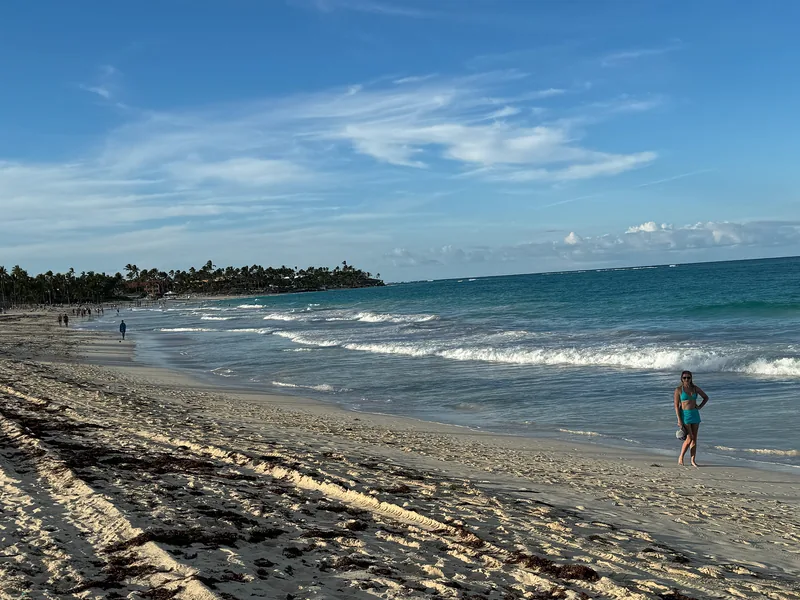
So where does Saona land? It is the best organized boat day in the country, the easiest way to stand on a Caribbean sandbar, and a fair chunk of fun if you pick right. It is not the most beautiful or the most peaceful beach in the Dominican Republic. Hold both of those at once and you will book the right trip.
Making it work from the Zona Colonial
Here is the case for doing Saona the way this guide keeps circling back to. Base yourself in Santo Domingo's colonial old town, and Saona becomes one excellent day inside a much richer trip, rather than the only interesting thing within reach of a resort gate. You wake up in the first city of the Americas, you spend a long day on a protected island, and you come home to a real neighborhood with proper restaurants, live music, five centuries of history underfoot, and a rooftop of your own instead of a hotel lobby. The island is the day trip. The city is the point.
That is exactly how the penthouse suites at our residence are meant to be used: a top-floor base in a 1760s colonial townhouse, three bedroom suites and a roof terrace facing the Caribbean, with the old town at your feet and the whole southeast, Bayahibe and Saona included, an easy day out. You can do the sandbar on Tuesday, the cathedral and the Alcázar on Wednesday, and a plate of grilled fish on the Malecón at sunset, all from the same address. A resort cannot give you that range, and it is why we keep arguing for a real city base. For the full picture of what surrounds you between beach days, the Santo Domingo location page and our roundup of day trips from the capital lay out just how much sits within reach.
When your dates are set, the suites book on Airbnb, where the residence has ninety-six reviews and a perfect five for location. Reserve the room, then reserve a small, early boat out of Bayahibe. Do those two things well and your Saona day, and the week around it, will land exactly right.